If you bake bread regularly, the right mixer can save time, reduce arm fatigue, and deliver more consistent dough. The best models handle sticky, heavy mixtures without walking across the counter or overheating.
We focused on mixers that can knead bread dough reliably, with a practical balance of motor strength, capacity, control, and durability.
Best 10 Stand Mixer for Bread Dough Picks for 2026
Classic Everyday Pick
KitchenAid Classic Series 4.5 Quart Tilt-Head Stand Mixer
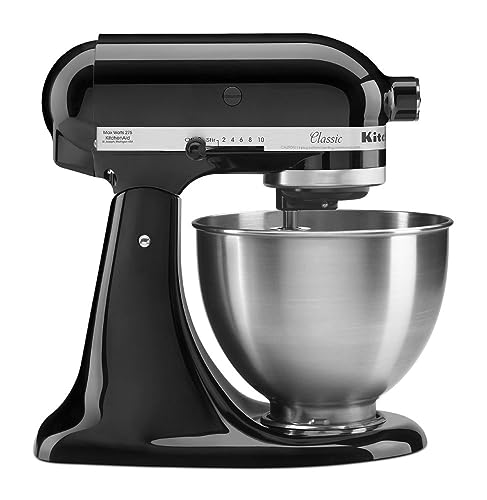
- Durable metal build with 59 touchpoints
- 10 speeds and included dough hook
- 4.5-quart stainless bowl is dishwasher safe
Best For: Home bakers needing a compact mixer for everyday bread dough and general baking
Bread-Dough Workhorse
Bosch Universal Plus 6.5-Quart Stand Mixer
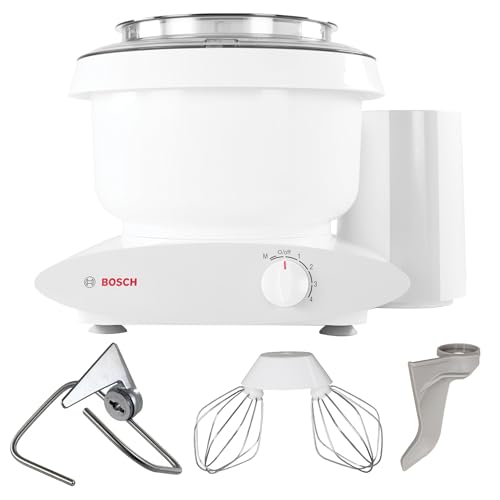
- Kneads up to 14 loaves of whole grain bread dough
- 500W belt-driven motor for strong torque
- Large 6.5-quart bowl for big batches
Best For: Serious bread bakers and high-volume dough prep
Versatile Power Pick
Cuisinart 5.5-Quart Stand Mixer
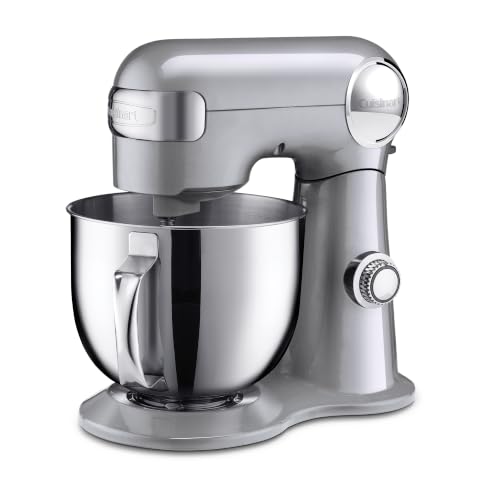
- 500W motor with 12 speed settings
- Includes dough hook, whisk, and paddle
- 5.5-quart stainless bowl for moderate batches
Best For: Bakers who want one mixer for bread dough and general kitchen prep
High-Capacity Value Pick
Honinst 6.5QT 10-Speed Tilt-Head Mixer

- 6.5-quart bowl with 10-speed control
- Includes dough hook, whisk, and beater
- Low-noise design with overheating protection
Best For: Home cooks wanting a roomy everyday mixer for bread and baking
Compact Digital Control
CUSIMAX 5-Quart 650W Tilt-Head Mixer

- 650W motor with dough hook for heavier mixing
- 8 speeds and 15-minute timer for better control
- 5-quart bowl with splash guard and suction cups
Best For: Home bakers who want a compact digital mixer for bread dough and everyday recipes
Value-Focused Capacity
NEWBULIG 6.3QT 10-Speed Dough Hook Mixer

- 6.3-quart bowl handles larger home-baking batches
- 10 speeds with dough hook, whisk, and beater
- Suction base helps reduce wobble and splashing
Best For: Bakers wanting a larger, value-oriented mixer for bread dough and mixed baking tasks
Heavy-Dough Performer
VIVOHOME 6-Quart 660W Tilt-Head Mixer

- 660W motor is built for heavy doughs
- 6-quart bowl handles family-size bread batches
- 10 speeds plus planetary mixing for even results
Best For: Home bakers who need the strongest dough-handling performance and larger capacity
Compact Starter Pick
Kitchen in the box 3.2Qt Small Electric Food Mixer
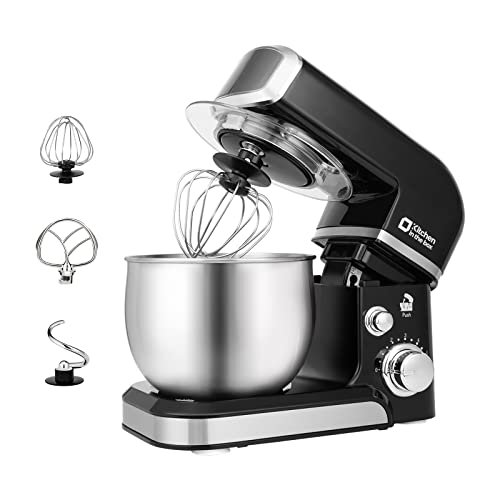
- Small 3.2-quart bowl for light home baking
- 6 speeds and dough hook for bread dough
- Lightweight body with anti-slip suckers
Best For: Small kitchens and beginner bakers
Balanced Everyday Pick
Martha Stewart 5.3QT Tilt Head Stand Mixer
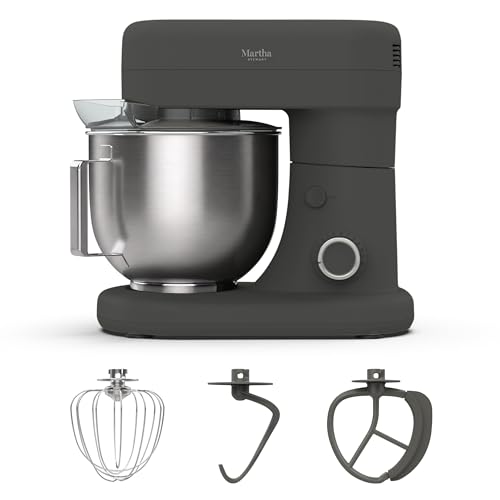
- 5.3-quart bowl for family-size baking
- 12 speeds for dough and delicate mixing
- Splash shield and dishwasher-safe accessories
Best For: Versatile home baking with regular bread dough
Classic Everyday Pick – KitchenAid Classic Series 4.5 Quart Tilt-Head Stand Mixer
If you want a dependable stand mixer for bread dough with a familiar layout and straightforward controls, the KitchenAid Classic Series is a solid entry point. Its 10 speeds, coated dough hook, and 4.5-quart stainless steel bowl make it useful for everyday mixing, while the tilt-head design helps when adding ingredients or switching attachments.
Best For: Home bakers who want a compact, durable mixer for smaller bread dough batches and everyday baking.
Pros:
- Durable metal construction with 59 touchpoints for thorough mixing.
- 10 speeds give you flexibility from stir to whip.
- Coated dough hook is included for basic bread dough work.
- 4.5-quart stainless steel bowl is dishwasher safe.
Cons:
- 4.5-quart capacity is smaller than some bread-focused mixers.
- 275-watt motor is modest compared with higher-power options.
- Attachments are sold separately beyond the included basics.
This is a practical choice if you value a compact footprint and proven design over maximum dough capacity. It should suit regular home baking well, especially if you typically make standard-size loaves or mixed batches.
Bread-Dough Workhorse – Bosch Universal Plus 6.5-Quart Stand Mixer
For anyone shopping specifically for a stand mixer for bread dough, the Bosch Universal Plus is built around high-volume kneading. Its 500-watt motor, belt-driven transmission, and large 6.5-quart bowl are aimed at tougher dough jobs, and the notes specifically call out kneading up to 14 loaves of whole grain bread dough.
Best For: Serious bakers who want a high-capacity mixer for large bread dough batches and frequent kneading.
Pros:
- Can knead up to 14 loaves of whole grain bread dough, per the product notes.
- 500-watt motor and belt-driven transmission are designed for strong torque.
- 6.5-quart bowl gives you plenty of room for bigger batches.
- Bottom-drive setup helps with adding ingredients during mixing.
Cons:
- Plastic bowl construction may not appeal to everyone.
- Only 4 speeds, so control is less granular than some rivals.
- Heavier-duty bread focus may be more mixer than casual bakers need.
If bread is the main reason you want a mixer, this Bosch stands out for capacity and kneading ability. It looks especially practical for batch baking, family baking, or anyone who regularly makes dense doughs.
Versatile Power Pick – Cuisinart 5.5-Quart Stand Mixer
The Cuisinart Stand Mixer is a balanced option if you want a stand mixer for bread dough that can also handle a lot of other kitchen tasks. With a 500-watt motor, 12 speeds, and an included dough hook, it offers more speed control than many basic mixers while keeping a manageable 5.5-quart bowl size.
Best For: Bakers who want a versatile mixer for bread dough plus a wide range of everyday prep jobs.
Pros:
- 500-watt motor and 12 speeds provide solid control.
- Includes a dough hook, whisk, flat paddle, and splash guard.
- 5.5-quart stainless steel bowl suits moderate batch sizes.
- Die-cast metal construction adds a more substantial feel.
Cons:
- Not as large as dedicated high-capacity bread mixers.
- Some optional attachments are sold separately.
- Best fit is general-purpose baking rather than maximum-volume dough work.
This model makes sense if you want one mixer that can do bread dough without giving up flexibility for cakes, whisking, or attachment-based tasks. It sits in the middle ground between compact home use and larger bread-first machines.
High-Capacity Value Pick – Honinst 6.5QT 10-Speed Tilt-Head Mixer
If you want a stand mixer for bread dough with a larger bowl and a budget-friendly feature set, the Honinst 6.5QT model covers the essentials. It pairs a pure copper motor with 10 speeds, a dough hook, and planetary mixing technology designed to mimic manual mixing for better ingredient incorporation.
Best For: Home cooks who want a roomy mixer for bread, pizza, and baking without a complicated control setup.
Pros:
- 6.5-quart bowl offers good capacity for dough and batter.
- 10-speed control gives useful flexibility for different recipes.
- Includes dough hook, whisk, and beater for basic versatility.
- Low-noise operation and overheating protection add convenience.
Cons:
- Plastic construction may feel less premium than metal mixers.
- No specific bread-dough capacity claims are listed in the notes.
- Accessory set is basic compared with higher-end mixer systems.
This is a practical all-around option if you want a larger bowl and straightforward controls for everyday baking. It appears well-suited to home use where bread dough is important, but not the only job the mixer needs to do.
Compact Digital Control – CUSIMAX 5-Quart 650W Tilt-Head Mixer
If you want a stand mixer for bread dough that stays simple but still offers useful control, this CUSIMAX model is worth a look. Its 650W motor, dough hook, 8 speeds, and 15-minute timer give you practical tools for mixing and kneading everyday doughs without much guesswork.
Best For: Home bakers who want a compact 5-quart mixer with digital timing and straightforward speed control for bread, cakes, and cookies.
Pros:
- 650W motor and dough hook are built for heavier mixing tasks.
- 8 speeds plus a 15-minute timer add flexibility and control.
- 5-quart stainless steel bowl suits common home-baking batches.
- Tilt-head design, splash guard, and suction cups make setup and use easier.
Cons:
- 5-quart capacity may be limited for larger bread projects.
- Plastic housing may feel less premium than all-metal alternatives.
Overall, this CUSIMAX mixer is a practical pick if you want a manageable countertop size and digital convenience for routine dough mixing. It focuses on the essentials, making it a sensible option for smaller households and casual baking.
Value-Focused Capacity – NEWBULIG 6.3QT 10-Speed Dough Hook Mixer
This stand mixer for bread dough emphasizes capacity, stability, and value. With a 6.3-quart bowl, 10 speeds, and a dough hook included, it is set up for mixing thicker doughs and larger home-baking batches while keeping operation steady on the counter.
Best For: Bakers who want a larger-capacity, budget-friendly mixer with a full accessory set and a stable base.
Pros:
- 6.3-quart bowl gives you room for bigger mixing jobs.
- 10-speed control helps handle both dough and lighter batters.
- Powerful suction base is designed to reduce wobble and splashing.
- Includes dough hook, whisk, flat beater, and a multi-tool bowl cover.
Cons:
- 300W motor is less powerful than some larger stand mixers.
- Added bowl-cover tools may be more than some home bakers need.
For shoppers who want a feature-rich mixer without paying for a premium brand name, this NEWBULIG model offers a lot of utility. The larger bowl and stabilizing base make it a practical choice for regular baking and bread prep.
Heavy-Dough Performer – VIVOHOME 6-Quart 660W Tilt-Head Mixer
If your main goal is a stand mixer for bread dough, this VIVOHOME model is the strongest fit in the group. Its 660W motor, 10 speeds, and planetary mixing are aimed at handling heavy doughs evenly, while the 6-quart bowl gives enough room for family-sized baking.
Best For: Home bakers who want a powerful mixer for kneading bread dough and handling larger everyday batches.
Pros:
- 660W motor is designed to handle heavy doughs without hand-kneading.
- 10 speeds and planetary mixing support even, consistent results.
- 6-quart bowl can handle up to 3 loaves of bread or 2.2 lbs of flour.
- Includes dough hook, beater, whisk, splash guard, and egg separator.
Cons:
- Larger footprint may take more counter space.
- At 11 pounds, it is heavier than some compact alternatives.
This VIVOHOME mixer stands out for bread-making ability and overall capacity. If you want a machine that is built to take on tougher doughs while still covering everyday baking tasks, it is a very solid option.
Compact Starter Pick – Kitchen in the box 3.2Qt Small Electric Food Mixer
If you want a stand mixer for bread dough that fits a small kitchen, this compact 3.2-quart model is built for light-duty everyday baking. It includes a dough hook, 6 speeds, and four anti-slip suckers to help keep mixing steady while handling bread dough, thick batters, and whipping tasks.
Best For: Small households, apartment kitchens, and beginner bakers who want a lightweight mixer for occasional bread dough.
Pros:
- Compact 7-lb design is easy to store in tight spaces.
- 6 speed settings cover dough mixing, batters, and delicate whipping.
- Anti-slip suckers help reduce movement during operation.
- Includes dough hook, flat beater, whisk, and splash lid.
Cons:
- 3.2-quart bowl is best for small batches.
- 300-watt motor is more suited to light home use than heavy kneading.
- Smaller capacity may not suit larger bread projects.
This is a practical pick if your main priority is saving space while still having a mixer that can handle basic bread dough. It offers the essentials without taking over your countertop.
Heavy-Duty Choice – 6.5QT Tilt-Head Stand Mixer
For a stand mixer for bread dough that can take on bigger batches, this 6.5-quart tilt-head model is aimed at more demanding home baking. Its pure copper motor, 10 speeds plus pulse, and dough hook are designed for high-torque kneading and consistent mixing of bread and pizza dough.
Best For: Home bakers who want a larger-capacity mixer for frequent bread, pizza dough, and batch baking.
Pros:
- Pure copper motor is built for high-torque kneading.
- 6.5-quart stainless bowl suits family-sized batches.
- 10 speeds plus pulse offer precise control.
- 55 dB operation and non-slip base support steadier use.
Cons:
- Bulkier footprint than compact mixers.
- 300-watt listing may be modest compared with the heavy-duty positioning.
- Best value is concentrated in bread and larger mixing jobs.
This model stands out when bread dough is a regular task and you want more bowl space and control. The quiet operation and tilting head make it easier to use through longer mixing sessions.
Balanced Everyday Pick – Martha Stewart 5.3QT Tilt Head Stand Mixer
If you want a stand mixer for bread dough with a good mix of capacity and countertop-friendly size, this 5.3-quart Martha Stewart model fits that middle ground. It includes a dough hook, 12 speed settings, and a removable splash shield, giving you flexible control for dough, batter, and whipping tasks.
Best For: Bakers who want a versatile mid-size mixer for bread dough, cookies, and everyday mixing.
Pros:
- 5.3-quart stainless steel bowl handles sizeable batches.
- 12 speed settings give fine control over thick dough and lighter mixes.
- Includes dough hook, whisk, and flat beater with silicone edge.
- Removable splash shield helps keep the counter cleaner.
Cons:
- Not as compact as smaller entry-level mixers.
- May be more mixer than needed for very occasional baking.
- Heavier build than ultra-light portable options.
This is a strong all-around option if bread dough is one of several baking jobs on your list. It offers enough capacity and speed control to feel useful without moving into oversized, commercial-style territory.
How We Picked the Best Stand Mixer for Bread Dough
We looked for models that can handle dense doughs without strain, plus the everyday features that matter most: motor power, bowl capacity, dough hook design, speed control, stability, and included accessories. For a Stand Mixer for Bread Dough, consistency matters more than flashy extras.
Quick Comparison
Higher-capacity mixers are usually better for frequent loaf baking, double batches, or enriched doughs. Smaller mixers can work for occasional use, but they are better suited to lighter kneading loads and smaller recipes. Tilt-head designs are convenient for adding ingredients, while bowl-lift and larger-format machines often offer better stability for heavier dough.
Key Buying Factors for a Stand Mixer for Bread Dough
Motor Power and Torque
Wattage alone does not tell the whole story, but a stronger motor generally helps when kneading stiff dough. Look for models designed to maintain speed under load rather than stalling during longer mixing sessions.
Bowl Size and Batch Needs
A 4.5- to 5.5-quart bowl is often enough for everyday home baking, while 6-quart-plus models are better for larger loaves or multiple batches. If you make sandwich bread, pizza dough, or rustic loaves often, extra room helps prevent overflow.
Stability and Build Quality
Heavy bases, metal construction, and well-balanced frames reduce movement when the mixer is working hard. This is especially important for bread dough, which can put more stress on the machine than cake batter.
Dough Hook and Speed Control
A good dough hook should fold and stretch the dough efficiently without overworking it. Multiple speeds are useful, but you usually only need a few settings that are easy to control for mixing, kneading, and finishing.
Cleaning and Convenience
Splash guards, dishwasher-safe accessories, and easy-access controls make baking less of a chore. If you bake often, small usability details quickly become important.
Who Should Buy Which Stand Mixer for Bread Dough?
If you bake bread occasionally, a compact mixer may be enough for smaller dough batches and lighter use. If you bake weekly, choose a mid- to large-capacity model with solid torque and a stable base. If you frequently make multiple loaves, whole-wheat dough, or enriched doughs with butter and eggs, prioritize a larger mixer built for heavier workloads.
In short, the best Stand Mixer for Bread Dough is the one that matches your batch size, baking frequency, and tolerance for noise, weight, and counter space. Choose the most durable option you can comfortably use often.