Seasonal produce calls for containers that are easy to fill, clean, monitor, and reuse. The right kombucha jar can support continuous brewing while also handling fruit, herbs, and other small-batch fermentation projects.
We compared these 10 options by capacity, opening design, lids, spigots, included fermentation accessories, and everyday versatility. Whether you need a complete starter kit or a simple gallon jar, this roundup helps narrow the choices.
Best 10 Kombucha Jars for Seasonal Produce Picks for 2026
Best for Continuous Brewing

- 1.3-gallon glass jar for continuous batches
- Spigot supports convenient dispensing
- Breathable stainless steel mesh top
Best For: Regular kombucha brewers who want a large dispensing jar
Best Starter Kit
1-Gallon Organic Kombucha Brewing Kit
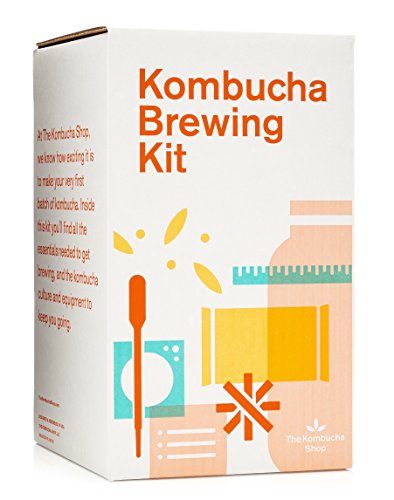
- Includes jar, culture, and brewing supplies
- pH strips and temperature gauge aid monitoring
- Guides and support help beginners get started
Best For: First-time kombucha brewers wanting an all-in-one setup
Best Basic Bulk Jar

- Wide mouth aids filling and cleaning
- Food-grade glass supports fermentation and storage
- Made in the USA with reusable design
Best For: Buyers wanting a simple multipurpose glass jar
Batch Brewer Pick
Two-Jar Airlock Fermentation Set

- Two 1-gallon glass carboys
- Three airlocks plus spare seals
- Wide mouths and measurement marks
Best For: Staggered batches of kombucha and seasonal produce
Pantry-to-Fermenter Pick

- 128-ounce glass capacity
- Wide mouth for produce and pickling
- Airtight silicone-gasket screw lid
Best For: Single-jar fermentation and versatile food storage
Serving-Friendly Pick

- Two 1-gallon jars with spigots
- Cloth covers support airflow
- Six disposable temperature strips
Best For: Continuous brewing with easy kombucha dispensing
Best Bulk Fermentation Set
4-Pack 1-Gallon Wide-Mouth Jars

- Four 1-gallon glass jars included
- Heavy, food-grade glass construction
- Wide mouths and airlock-ready lids
Best For: Multi-batch kombucha, vegetable fermentation, and bulk storage
Best Continuous-Brew Option
Gallon Kombucha Jar with Spigot

- Supports continuous kombucha brewing
- Mesh lid doubles as a scoby hotel
- Stainless steel spigot for easy serving
Best For: Regular kombucha drinkers who want an on-tap setup
Best Single-Jar Value
1-Gallon Wide-Mouth Fermentation Jar

- Thick, food-grade glass jar
- Rust-resistant plastic screw lid
- Suitable for kombucha and produce fermentation
Best For: Simple one-jar brewing, pickling, and pantry storage
Best for Continuous Brewing – 5L Kombucha Jar with Spigot
If you want kombucha jars for seasonal produce and ongoing beverage projects, this 5-liter glass jar is designed for continuous brewing. Its spigot lets you dispense kombucha as needed while leaving room to add fresh sweet tea.
Best For: Regular kombucha brewers who want a large glass dispenser with a spigot and breathable stainless steel mesh top.
Pros:
- 1.3-gallon capacity supports continuous-brew batches.
- Spigot allows dispensing without moving the jar.
- Glass is suited to acidic kombucha and does not scratch easily.
- Mesh top allows airflow while helping protect against fruit flies and contaminants.
Cons:
- Designed primarily for kombucha rather than a broad range of sealed vegetable ferments.
- The recommended cleaning method calls for lukewarm water rather than hot water.
This is a strong choice for keeping a kombucha cycle moving, especially if convenient dispensing matters more than an all-purpose fermentation setup.
Best Starter Kit – 1-Gallon Organic Kombucha Brewing Kit
For shoppers comparing kombucha jars for seasonal produce and first-time brewing, this 1-gallon kit provides more than a container. It includes a thick glass brew jar, culture, pH test strips, a temperature gauge, and brewing guidance.
Best For: Beginners who want an instructional kombucha setup with tools for monitoring fermentation.
Pros:
- Complete kit includes the jar, kombucha culture, testing supplies, and instructions.
- Thick American glass jar is sized for 1-gallon batches.
- pH strips and a temperature gauge help track the brew.
- Includes expert brewing and post-brewing guides plus support.
Cons:
- Its 1-gallon capacity is smaller than the 1.3-gallon continuous-brewing jar.
- This is a kombucha-focused kit, not a general vegetable-fermentation set.
The included culture and education make this a practical entry point for anyone who wants guidance and monitoring tools alongside the jar.
Best Versatile Fermentation Set – Two 1-Gallon Jars with Airlocks
If your search for kombucha jars for seasonal produce includes sauerkraut, pickles, or kimchi, this two-jar set offers a broader fermentation setup. Each 1-gallon glass jar includes an airlock and heavy glass weight for hands-off fermentation and ingredient submersion.
Best For: Home fermenters who want two wide-mouth jars for kombucha and vegetable ferments.
Pros:
- Two 1-gallon jars provide useful batch flexibility.
- Airlocks release CO2 while helping block oxygen and contaminants.
- Heavy glass weights help keep vegetables below the brine.
- Wide mouths simplify filling, packing, and cleaning.
Cons:
- The airlock and weight configuration is more specialized than a basic kombucha jar.
- Hand washing with warm, soapy water is recommended for longevity despite dishwasher-safe details.
This set is the most adaptable option here for cooks who want one system that can handle both kombucha and submerged vegetable ferments.
Best Basic Bulk Jar – 1-Gallon Wide-Mouth Glass Jar
For a straightforward option among kombucha jars for seasonal produce, this 1-gallon wide-mouth glass jar keeps the setup simple. The broad opening supports easy filling, emptying, and cleaning, while the jar can also be used for canning, pickling, and storage.
Best For: Shoppers who need a reusable, wide-mouth glass container for basic kombucha, pickling, or bulk food projects.
Pros:
- Wide mouth makes large-batch handling easier.
- Food-grade glass is suitable for kombucha, pickling, and dry storage.
- Made in the USA.
- Reusable 1-gallon format supports varied household projects.
Cons:
- Includes a lid but no spigot, airlock, fermentation weight, or starter culture.
- Hand washing is listed in the care instructions.
This jar suits buyers who already have their fermentation accessories and want a simple, multipurpose glass vessel rather than a complete kit.
Batch Brewer Pick – Two-Jar Airlock Fermentation Set
For kombucha jars for seasonal produce, this two-pack offers roomy 1-gallon glass vessels with airlock lids for fermenting fruit, vegetables, pickled eggs, and kombucha. The wide mouths and measurement marks make filling, monitoring, and cleaning more convenient.
Best For: Home fermenters making multiple small batches or rotating seasonal produce.
Pros:
- Includes two 1-gallon carboys, three airlocks, spare gaskets, and spare grommets.
- Wide 4.3-inch openings simplify adding ingredients and hand washing.
- Clear, thick, BPA-free glass has scale marks for monitoring the process.
- Reusable and dishwasher safe.
Cons:
- Requires care to avoid sudden temperature changes that could crack the glass.
- The kit is taller and wider than a standard small storage jar.
This is the most fermentation-focused option of the three, especially if you want airlocks and two jars for staggered batches. It does not include a dispensing spigot, so transferring or serving requires another method.
Pantry-to-Fermenter Pick – Airtight One-Gallon Mason Jar
These kombucha jars for seasonal produce are a straightforward one-gallon solution for fermenting or storing fruit, vegetables, sauerkraut, kimchi, and drinks. Its wide mouth accommodates larger ingredients, while the airtight silicone-gasket lid also suits dry pantry storage.
Best For: Shoppers who want one versatile jar for fermentation, pickling, and everyday food storage.
Pros:
- Large 128-ounce capacity with an extra-wide 4.3-inch mouth.
- Airtight screw lid uses an embedded silicone gasket.
- Clear glass includes fluid-ounce and milliliter scale lines.
- Dishwasher and refrigerator safe, including the lid and removable gasket.
Cons:
- Sold as a single jar.
- Does not include an airlock, spigot, temperature strip, or cloth cover.
This is a practical multipurpose choice rather than a complete brewing kit. It works well when you want one large vessel that can move between seasonal produce, kombucha, leftovers, and dry pantry staples.
Serving-Friendly Pick – Continuous Brewing Jar Kit
For kombucha jars for seasonal produce and ongoing home brewing, this two-pack adds dispensing spigots, cloth covers, and temperature strips to two 1-gallon glass jars. The spigots help serve kombucha with less mess, while the covers allow airflow during fermentation.
Best For: Home brewers who want two continuous-brewing vessels with convenient dispensing.
Pros:
- Includes two 1-gallon glass jars with plastic spigots.
- Elastic cloth covers help protect the brew while allowing airflow.
- Six adhesive temperature strips support temperature monitoring.
- Wide openings make pouring and cleaning easier.
Cons:
- The temperature strips are disposable.
- Glass products may be vulnerable to damage during transportation.
- The supplied notes do not specify an included kombucha starter culture.
This kit is the most convenient for serving and monitoring kombucha from the vessel. The spigots make it particularly useful for continuous brewing, while the two-jar format supports different batches or flavors.
Best Bulk Fermentation Set – 4-Pack 1-Gallon Wide-Mouth Jars
For anyone comparing kombucha jars for seasonal produce, this four-pack provides room to brew multiple batches or ferment vegetables alongside kombucha. The wide-mouth, food-grade glass design makes filling, stirring, and cleaning straightforward, while the included lids support airlock use.
Best For: Home fermenters who want several large jars for kombucha, seasonal vegetables, pickling, or bulk food storage.
Pros:
- Includes four 1-gallon glass jars with BPA-free lids.
- Thicker, heavier glass offers added stability for fermentation and storage.
- Wide mouths simplify filling, stirring, and cleaning.
- Lids include grommets for a tight, leak-resistant airlock seal.
Cons:
- The jars are listed for hand washing only.
- A four-pack may be more capacity than needed for occasional brewing.
- The product is relatively heavy at 8 pounds per listed package.
This is the most practical choice when seasonal produce means several projects at once. Its four-jar format favors batch flexibility, while the wide openings and airlock-ready lids support both kombucha and vegetable fermentation.
Best Continuous-Brew Option – Gallon Kombucha Jar with Spigot
Among kombucha jars for seasonal produce, this gallon dispenser stands out for continuous brewing and convenient serving. Its mesh lid supports airflow while keeping out dust, and the stainless steel spigot lets you pour kombucha without moving the jar.
Best For: Kombucha drinkers who want an on-tap continuous-brewing setup with a dedicated place to keep a scoby between batches.
Pros:
- Designed for continuous brewing while tea and sugar are replenished.
- Includes a mesh lid that can serve as a scoby starter hotel.
- Interchangeable mesh and airtight lids provide brewing and storage flexibility.
- Stainless steel spigot makes serving easier and less messy.
Cons:
- Only one gallon of capacity is included.
- The spigot and lid system adds components to clean and maintain.
- Its design is more specialized for kombucha than general produce storage.
This is the clearest fit for households that regularly drink kombucha and want a continuous supply. The spigot improves everyday access, while the alternate airtight lid allows the jar to function as a general beverage dispenser when fermentation is paused.
Best Single-Jar Value – 1-Gallon Wide-Mouth Fermentation Jar
If you need one dependable container for kombucha jars for seasonal produce, this single gallon jar keeps the setup simple. Its thick, food-grade glass and wide mouth suit kombucha, pickling, vegetable fermentation, and dry-goods storage, while the plastic screw-on lid helps protect contents from outside contaminants.
Best For: Beginners and smaller households seeking one versatile gallon jar for kombucha, produce fermentation, or pantry storage.
Pros:
- Includes one 1-gallon clear glass jar and plastic screw-on lid.
- Thick, food-grade glass is described as BPA-free and lead-free.
- Wide mouth allows easier filling, cleaning, and access.
- Plastic lid resists rust and is easy to remove and reseal.
Cons:
- The single-jar format limits simultaneous batches.
- The supplied lid is a screw-on plastic cap rather than an airlock system.
- No serving spigot is included.
This straightforward jar is a sensible starting point for one-batch brewing or seasonal pickling. Its reusable plastic lid also makes it flexible after fermentation, although users seeking continuous brewing or an airlock-ready setup may prefer a more specialized option.
How We Picked the Best Kombucha Jars for Seasonal Produce
We focused on practical features that matter when brewing kombucha and working with seasonal ingredients. Each pick was assessed for glass capacity, mouth width, lid or airlock design, dispensing convenience, included accessories, and suitability for repeated use. We also considered whether a jar is best for continuous brewing, sealed fermentation, ingredient storage, or a combination of tasks.
Glass is the preferred material for this roundup because it is nonporous, easy to inspect, and less likely to retain aromas than many plastics. Buyers should still confirm that lids, gaskets, spigots, and weights are made from food-safe materials and are compatible with acidic liquids.
Quick Comparison
- Best for continuous brewing: Choose a jar with a low-mounted spigot, breathable cover, and enough clearance to leave the SCOBY undisturbed.
- Best for first-time brewers: Starter kits are convenient because they may include a SCOBY, starter tea, thermometer, cloth cover, or other essentials.
- Best for fermentation projects: Airlock-and-weight sets are better suited to controlled fermentation of produce and other ingredients.
- Best for flexible storage: Basic wide-mouth gallon jars work well for kombucha, infused liquids, bulk food storage, and ingredient prep.
- Best for multiple batches: Two- and four-pack options can separate active brews, finished kombucha, and seasonal ingredients.
Key Buying Factors for Kombucha Jars for Seasonal Produce
Capacity and Headspace
A one-gallon jar is a useful middle ground for home brewing, but capacity is not the same as working volume. Leave adequate headspace for the culture, liquid movement, and any fruit or herbs you add. Larger jars are useful for bulk batches but become heavier and harder to clean.
Opening and Cleaning Access
Wide-mouth jars make it easier to add produce, remove a SCOBY, scrub residue, and inspect the brew. Narrow openings may reduce exposure but can be inconvenient when using solid ingredients or cleaning accessories.
Lid, Airlock, and Spigot Design
Kombucha generally needs airflow during primary fermentation, so a breathable cloth cover is often more appropriate than an airtight lid. Airlocks are useful for other fermentation stages and projects, while airtight lids help with storage after brewing. A spigot simplifies sampling and dispensing, but it adds another part that must be checked for leaks and cleaned thoroughly.
Included Accessories
Starter kits can reduce shopping time, while jar-only options may offer better value if you already own a SCOBY, thermometer, covers, or weights. Verify exactly what is included because product titles may describe several configurations or pack sizes.
Who Should Buy Which Kombucha Jars for Seasonal Produce?
Choose a continuous-brewing jar if you drink kombucha regularly and want convenient dispensing. Select a complete starter kit if you are new to brewing and prefer bundled supplies. For seasonal produce experiments, an airlock-and-weight set offers more control over submerged ingredients. A basic wide-mouth jar is the most versatile choice for buyers who want one container for brewing, storage, and occasional food-prep tasks.
Before purchasing, measure your available shelf space, check the jar’s dimensions and working capacity, and confirm whether replacement lids or spigots are available. Hand-washing delicate fittings and avoiding sudden temperature changes will also help extend the life of your glass jar.